How BertaProudDad Turned Rage Into a Dead-End Hustle


If Alberta’s grievance economy were a flea market, BertaProudDad—Lawrence Magee—would be the guy shouting the loudest while selling the cheapest junk.
Magee doesn’t have a worldview. He has a content loop. Whatever outrage is trending, he grabs it, squeezes it dry, and tosses it aside for the next one. Ottawa today. Immigrants tomorrow. Doctors, teachers, trans kids, the CBC—spin the wheel, cue the outrage, hit “post.” It’s not politics; it’s rage karaoke.
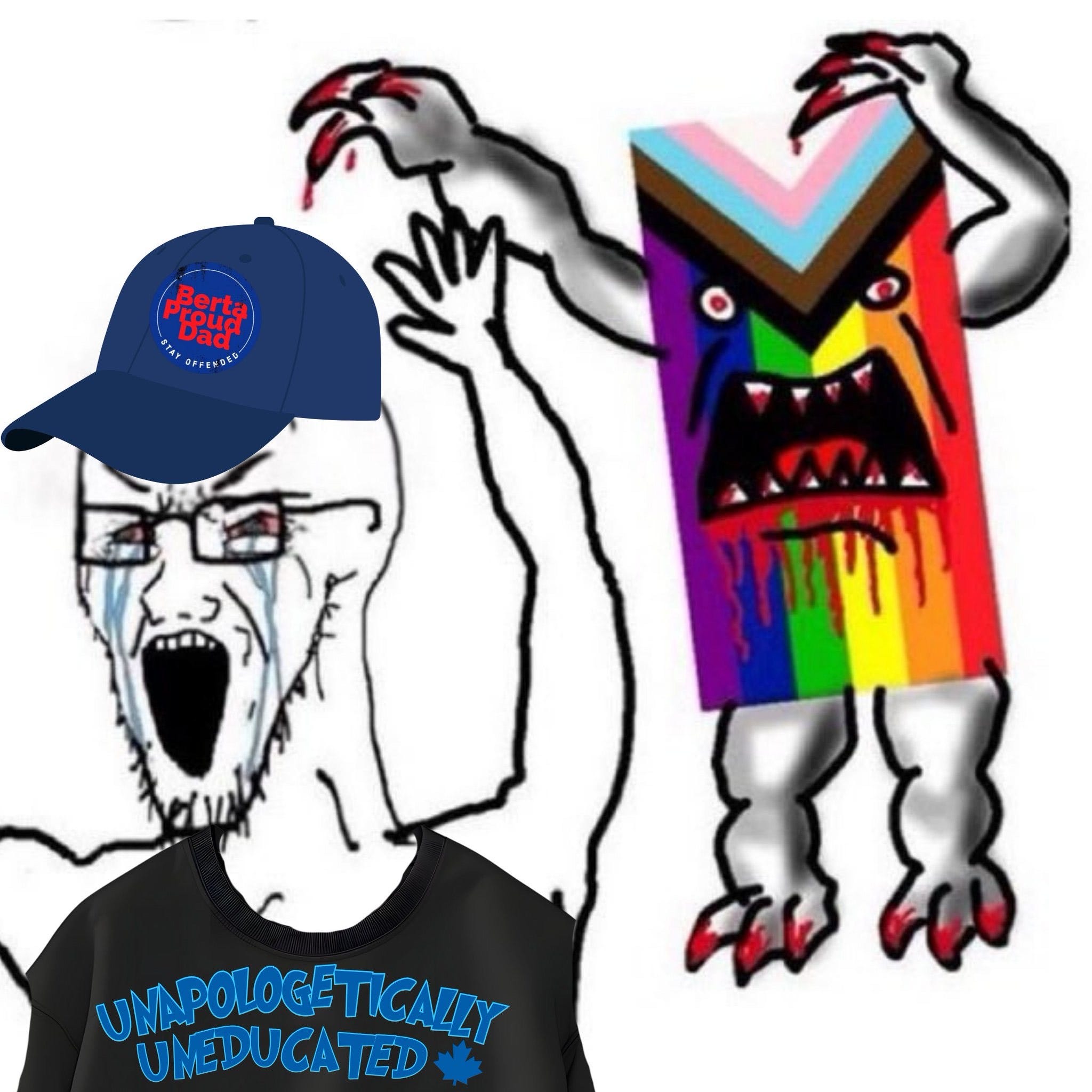
And like all rage karaoke, it’s loud, repetitive, and increasingly embarrassing.
“Only True Albertans”… Except Him

Magee loves to sneer about “real Albertans”—the supposedly pure, multi-generational elect who alone deserve rights, influence, and ownership of the province’s future. Everyone else? Guests. Temporary. Suspect.
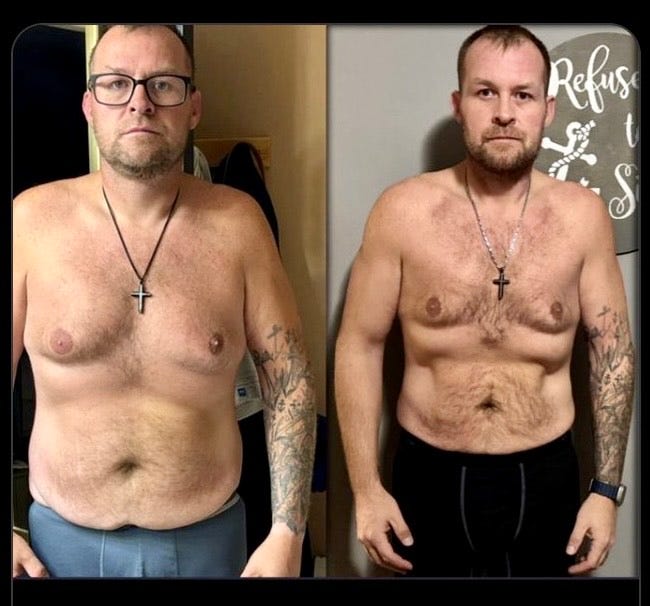
Except, of course, Lawrence Magee is from Ontario.
The irony isn’t subtle. It’s nuclear. His entire exclusionary myth collapses the moment you apply it to his own biography. Alberta-born legitimacy is sacred—until he needs an exemption. Then suddenly residency, contribution, and time served are enough.
This isn’t tradition. It’s convenient nationalism.
Delusions of Influence

Another recurring fantasy in Magee’s online performance is the idea that he has “connections” with the UCP and Premier Danielle Smith—that he’s somehow plugged into the decision-making bloodstream of provincial power.
He talks like a man who believes tweeting is governance.
Being in the same room as politicians does not make you a power broker. Taking selfies at events does not make you a strategist. And no provincial government is waiting on marching orders from a Facebook rage merchant with a merch store.
This is cosplay. Political cosplay.
A Loud, Useful Pawn

Within Alberta’s separatist ecosystem, Magee serves a familiar role: the expendable amplifier. He says the angriest version out loud so others don’t have to. He absorbs backlash (yet is increasingly sensitive to it). He escalates rhetoric. He makes the movement look bigger—and dumber—than it is.
If things implode, he’s disposable. That’s the deal. Grievance movements always need someone reckless enough to burn credibility on their behalf.
From Activism to AI Slop
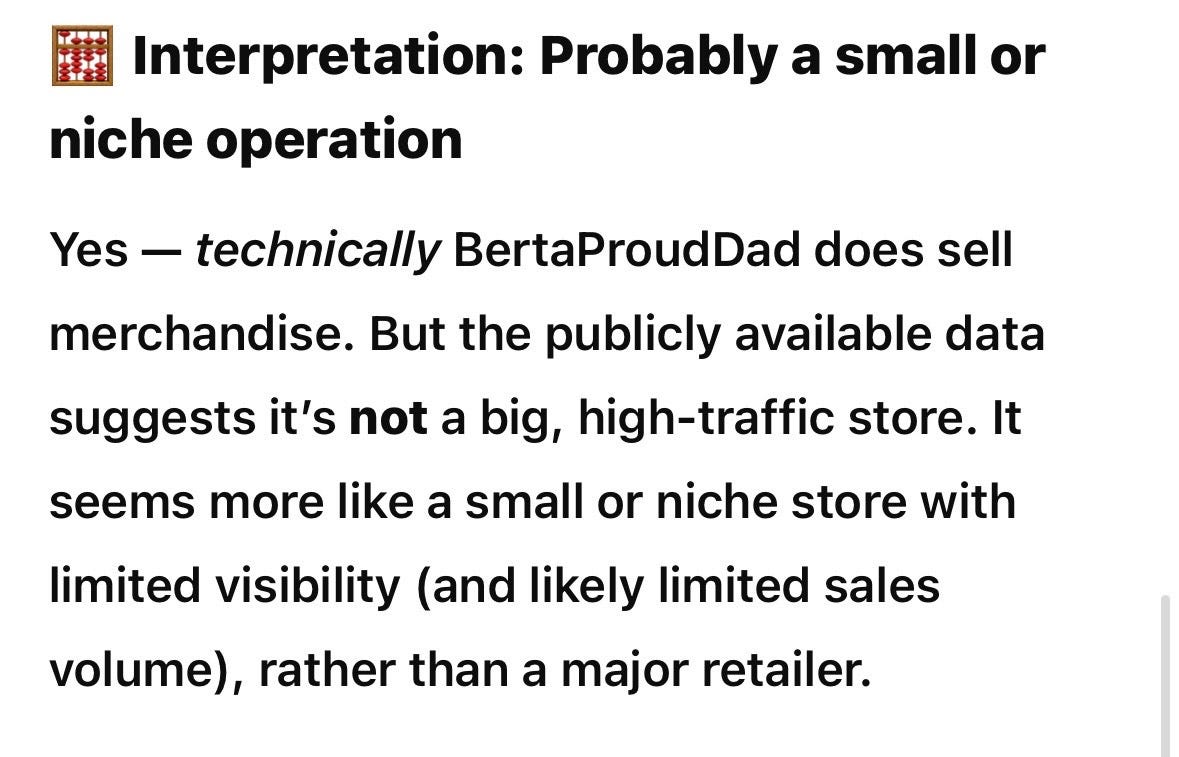
Then there’s the merch: AI-generated slogans slapped onto low-effort products, hawked as “movement gear.” It’s not organizing—it’s dropship populism. The message doesn’t matter. The quality doesn’t matter. Only the conversion rate does.
Outrage in, money out. That’s the model.
Victimhood With a Travel Schedule

Magee frequently frames himself as marginalized and hard-done-by, including claims around disability—while simultaneously broadcasting a lifestyle full of frequent travel, vacations, and conspicuous leisure in places like Florida and Mexico. But add in the fake private jet photo as well.
No one is saying disabled people can’t travel. They can. But the constant oscillation between hardship and flaunted abundance raises a simple question of credibility. When victimhood becomes a content strategy, people notice when the math stops mathing.
Consequences Aren’t Censorship
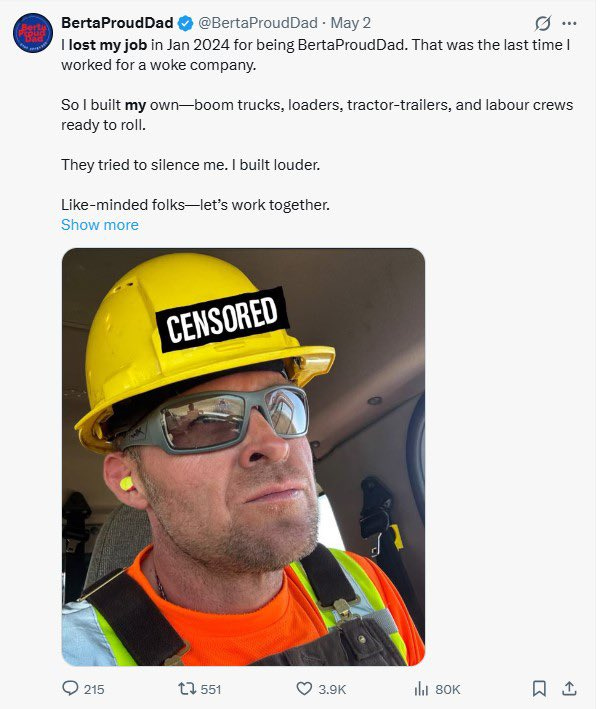
Magee has openly acknowledged past cocaine abuse, which he sometimes presents as proof of authenticity rather than something requiring accountability or reflection. Likewise, reports that he faced employment consequences in 2024 following online conduct aren’t evidence of persecution—they’re evidence that being terminally online has real-world costs.
Algorithms don’t protect you. Employers don’t owe you silence. And “free speech” does not include immunity from consequences.
The Convention Ego Bump

After a recent UCP gathering and “influencer” event in Calgary, Magee emerged visibly inflated—convinced he’d been “recognized,” validated, elevated. It’s a familiar sight: an older, basic man with a cheap suit jacket over a merch shirt confusing momentary proximity with importance, mistaking access for authority.
This is what happens when relevance is crowdsourced from likes instead of earned through competence.
Why This Always Ends the Same Way
Sociologically, Magee’s trajectory is not interesting—it’s inevitable.
Rage personas burn hot and burn out. Audiences move on. Movements shed liabilities. The merch stops selling. And the man yelling into his phone realizes too late that engagement isn’t legacy, and outrage isn’t a retirement plan as he continued to make himself unemployable.
Alberta doesn’t need self-appointed gatekeepers from Ontario lecturing people about belonging. It doesn’t need grievance grifters selling AI slop to fund ego trips. And it definitely doesn’t need men mistaking attention for authority.
Lawrence Magee isn’t shaping Alberta’s future. He doesn’t even realize he’s a pawn to whatever movement will begrudgingly accept him for the moment.
He’s just another guy shouting at the algorithm, hoping it loves him back.